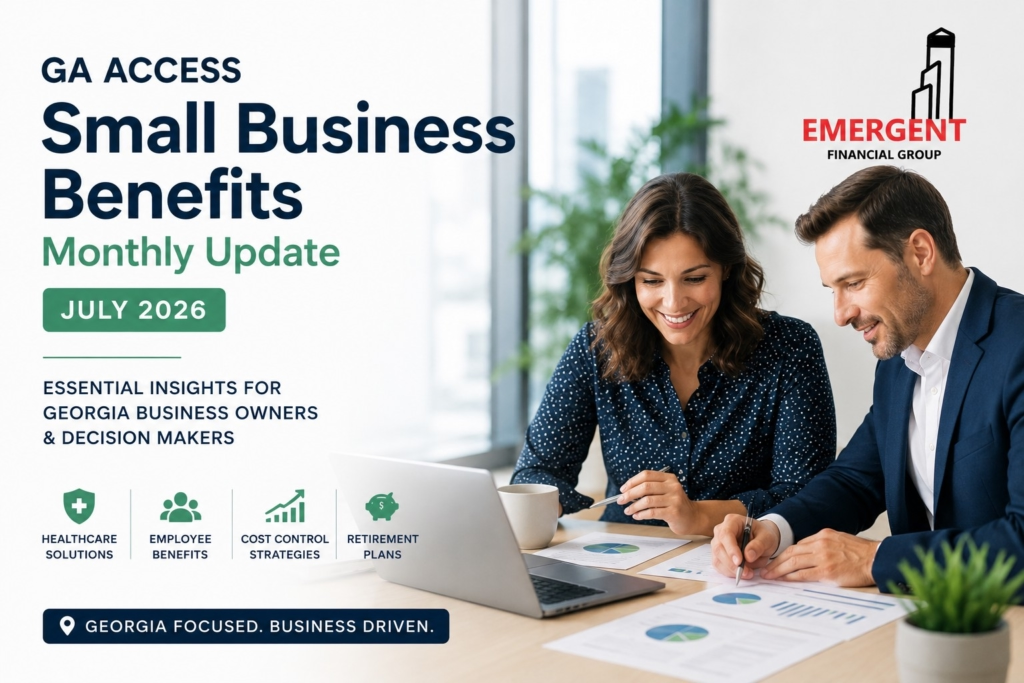
GA Access & Small Business Benefits Monthly Update | July 2026 For Georgia Business Owners and Decision Makers

Healthcare, Retirement Plans, Employee Benefits, ICHRA, GA Access, and Cost-Control Strategies for Georgia Employers
Running a small business in Georgia has never been easy.
Whether you own a law firm in Buckhead, a medical practice in Roswell, a construction company in Marietta, a real estate brokerage in Alpharetta, or a consulting firm in Brookhaven, you are likely facing many of the same challenges:
- Rising healthcare costs
- Recruiting and retaining quality employees
- Pressure to improve employee benefits
- Managing budgets without sacrificing growth
- Navigating an increasingly complex benefits landscape
Fortunately, employers have more benefit planning options available today than ever before.
This month’s update covers several of the most important developments affecting Georgia small businesses with 2–20 employees.
Georgia Access Continues to Change the Healthcare Conversation
Georgia’s transition to the Georgia Access Marketplace continues to influence how employees and employers evaluate health insurance options.
While many people still refer to marketplace coverage as “Obamacare,” Georgia residents now enroll through Georgia Access rather than Healthcare.gov. The platform continues to provide access to ACA-compliant plans, premium tax credits, Special Enrollment Periods, and marketplace coverage options. Open Enrollment for Plan Year 2026 ended January 15, 2026, although qualifying life events may still allow eligible individuals to enroll through a Special Enrollment Period.
For employers considering Individual Coverage Health Reimbursement Arrangements (ICHRAs), understanding how employees access coverage through Georgia Access has become increasingly important.
Read More
GA Access vs Obamacare: What’s the Difference?
Key Takeaway
Employers should understand Georgia Access even if they currently offer traditional group health insurance. It may play an important role in future benefit planning strategies.
ICHRA Adoption Continues to Grow
One of the most discussed employee benefit strategies among small businesses remains the Individual Coverage Health Reimbursement Arrangement (ICHRA).
Rather than purchasing a traditional group health plan, employers reimburse employees for individual health insurance premiums and eligible healthcare expenses.
Business owners continue exploring ICHRAs because they offer:
- Greater budget predictability
- Employee choice and flexibility
- Potential savings compared to traditional group health plans
- Simplified administration in certain situations
- Portability for employees
For employers experiencing annual renewal increases, ICHRA remains one of the first alternatives many are evaluating.

Questions Employers Are Asking
- Can I reduce healthcare costs without eliminating benefits?
- Can employees choose their own plans?
- Can executives and key employees receive different reimbursement amounts?
- How does GA Access fit into an ICHRA strategy?
Increasingly, the answer to those questions is yes.
Level-Funded Healthcare Remains Popular Among Healthy Groups
Level-funded plans continue attracting attention from employers seeking alternatives to fully insured group health insurance.
While not appropriate for every business, level-funded plans may provide advantages for certain groups including:
- Monthly payment stability
- Claims transparency
- Potential year-end surplus opportunities
- Access to broader plan designs
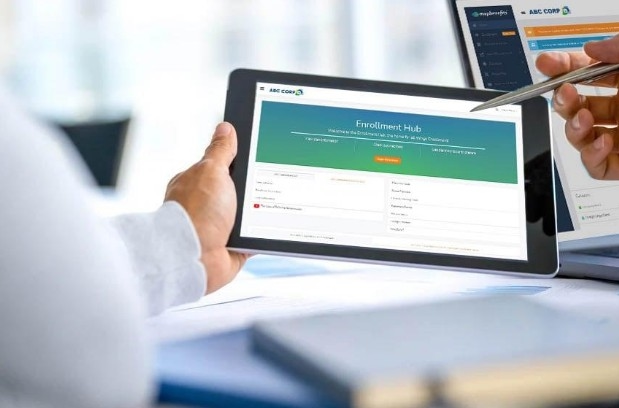
Employers with relatively healthy employee populations often request comparisons between traditional group health plans and level-funded alternatives before renewal.
Key Takeaway
A benefits review before renewal can help determine whether traditional group coverage, level-funded healthcare, or ICHRA may be the better fit.
Has Your Employee Benefit Plan Become Unaffordable?
Many business owners assume annual increases are simply part of the process.
However, several warning signs suggest it may be time to review your current strategy.
Warning Signs
✓ Healthcare costs increasing faster than revenue
✓ Employee contributions increasing each year
✓ Deductibles becoming difficult for employees to manage
✓ Hiring decisions impacted by benefit costs
✓ No competitive review performed during the past 12 months

When these conditions occur, employers often discover opportunities to redesign their benefit strategy rather than simply accepting another renewal increase.
Read More
Has Your Employee Benefit Plan Become Unaffordable?
Strategic Employee Benefits Budgeting Is Becoming More Important
Healthcare costs continue to pressure small business budgets.
As a result, more employers are moving away from reactive budgeting and adopting strategic employee benefit planning.
Instead of asking:
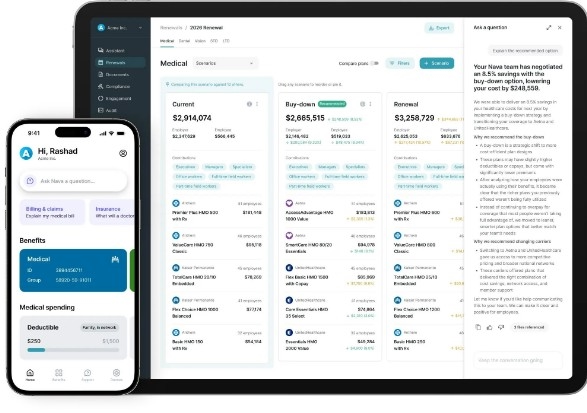
“How much did benefits cost last year?”
Leading employers are asking:
- What are we trying to accomplish?
- Which benefits matter most to employees?
- How can we improve retention?
- Which benefits deliver the greatest value?
- What can we realistically sustain over the next three to five years?
Read More
How to Set a Strategic Employee Benefits Budget for Your Business
Key Takeaway
The most successful benefit plans are designed intentionally rather than inherited from previous years.
Retirement Plan Updates Georgia Employers Should Know
Retirement plans continue to evolve under SECURE 2.0.
Several provisions remain important for small business owners during 2026, including expanded access for certain long-term part-time employees, Roth catch-up contribution requirements for higher earners, and ongoing retirement plan tax incentives for qualifying small businesses.
Many small employers remain eligible for significant tax credits when establishing a retirement plan for the first time. SECURE-related incentives continue making retirement plans more affordable than many business owners realize.
We continue seeing increased interest in:
- Safe Harbor 401(k) Plans
- Traditional 401(k) Plans
- Profit Sharing Plans
- Cash Balance Plans
- SIMPLE IRAs
- SEP IRAs
Key Takeaway
Retirement plans remain one of the most tax-efficient benefits available to business owners and employees.
Georgia Access Reminder: Paying Your Health Insurance Premiums

Every year we speak with families and business owners who accidentally miss premium payment deadlines.
A missed payment can lead to coverage disruptions and unnecessary headaches.
To help Georgia residents quickly locate carrier payment information, we’ve created a payment resource hub.
Access the Premium Payment Hub
Final Thoughts
The employee benefits landscape continues to evolve.
For Georgia small businesses, the biggest opportunities in 2026 often come from reviewing old assumptions and exploring new strategies.
Whether you’re evaluating ICHRA, reviewing level-funded healthcare, updating a retirement plan, or simply trying to control costs, the businesses that plan proactively tend to achieve the best long-term results.

A benefit plan should support your employees, your budget, and your business goals.
If it no longer does, it may be time for a review.
Emergent Financial Group
Helping Georgia Small Businesses Create Better Benefit Plans.
Need help getting started?
Explore how Emergent Financial Group partners with Families and Small Business Owners for comprehensive Benefit and Estate Planning.
Please don’t hesitate to contact us here
"Helping Businesses Build Better Benefits. Helping Employees Build Better Retirements. RIA in Buckhead. Benefit Planning. Wealth Management. Wills. Trusts. Estate Planning."