Building a Benefits Strategy That Works: A Smarter Approach with Emergent Financial Group

Choosing employee benefits shouldn’t feel like a guessing game—but for many businesses, it does. You want to support your team with meaningful benefits, yet you also need to stay within budget. Should you invest more in healthcare? Expand PTO? Add wellness perks?
At Emergent Financial Group, we believe benefits decisions shouldn’t be based on guesswork. They should be guided by data, strategy, and expert insight. The reality is simple: employees consistently value a core set of benefits that provide security, flexibility, and long-term support.
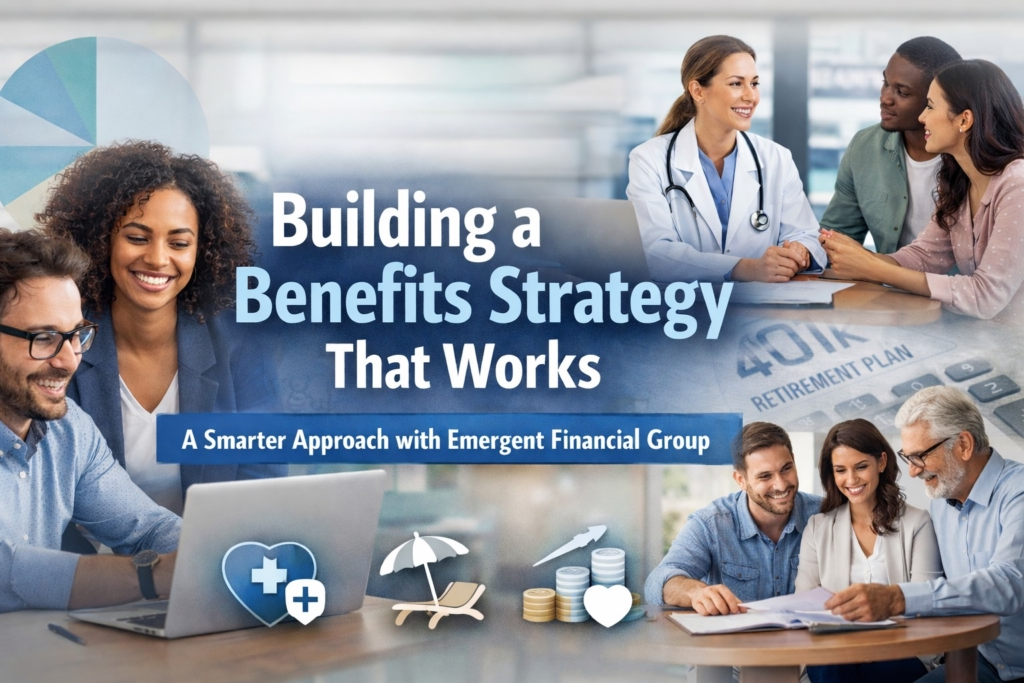
This guide walks you through what truly matters to employees—and how a strategic approach can help your organization attract, retain, and empower top talent.
Key Takeaways
- Focus on fundamentals first: Strong health coverage, flexible time off, and retirement support are the foundation of any effective benefits package.
- Let employees guide the strategy: The most successful plans are built around real employee feedback—not assumptions.
- Turn benefits into a competitive advantage: With the right strategy and guidance, your benefits package becomes a powerful tool for growth and retention.
What Employees Really Want from Their Benefits
1. Health Insurance Is the Foundation
Health insurance remains the most valued benefit across industries. Employees don’t just see it as a perk—it’s a necessity.
A comprehensive medical plan provides peace of mind and financial protection. When employers offer strong coverage, it sends a clear message: you care about your people and their families.
At Emergent Financial Group, we help businesses design health plans that balance cost efficiency with meaningful coverage—ensuring employees feel supported without overspending.
2. Flexible Paid Time Off Matters More Than Ever
Employees today place a high value on flexibility. PTO is no longer just about vacation days—it’s about work-life balance.
Flexible PTO policies:
- Reduce burnout
- Improve morale
- Increase productivity
Whether it’s structured PTO or more flexible models, giving employees the freedom to recharge leads to stronger performance and engagement.
3. Retirement Benefits Show Long-Term Commitment
Employees are thinking beyond their next paycheck—they’re thinking about their future.
Offering retirement plans like a 401(k), especially with employer matching, demonstrates long-term investment in your workforce. It also helps position your company as a place where careers—not just jobs—are built.
4. Mental Health and Wellness Are Essential
Modern benefits must support the whole person—not just physical health.
Employees increasingly expect:
- Mental health resources
- Counseling access
- Wellness programs
- A supportive workplace culture
Emergent Financial Group works with organizations to integrate wellness into benefits strategies, helping create healthier, more resilient teams.
Why Benefits Drive Satisfaction and Retention
The Connection Between Benefits and Employee Happiness
When employees feel supported, they perform better. It’s that simple.
A strong benefits package:
- Reduces stress
- Improves morale
- Builds trust
Employees who feel secure in their health and finances are more focused, engaged, and loyal.

Retention Starts with Competitive Benefits
In today’s job market, benefits often make the difference between accepting—or leaving—a job.
A competitive package:
- Attracts top talent
- Reduces turnover
- Strengthens employer branding
Emergent Financial Group helps organizations benchmark their offerings and build plans that stand out in competitive markets.
The Real Cost of Poor Benefits
Losing employees is expensive—not just financially, but culturally.
Turnover leads to:
- Lost productivity
- Hiring and training costs
- Lower team morale
A weak or confusing benefits package is often a key driver of employee exits. That’s why clear communication and strategic design are critical.
Emerging Trends in Employee Benefits
1. Flexibility and Remote Support
Benefits are evolving alongside the workplace. Flexibility now includes:
- Remote work options
- Flexible schedules
- Home office stipends
Employers who embrace flexibility gain a major advantage in attracting modern talent.
2. Personalized Benefits Packages
One-size-fits-all is no longer effective.
Employees want options that reflect their unique needs, such as:
- Student loan assistance
- Family support
- Retirement planning
Emergent Financial Group specializes in designing flexible benefit structures that adapt to diverse workforces.
3. Financial Wellness Programs
Financial stress impacts workplace performance. Forward-thinking companies are offering:
- Financial planning tools
- Budgeting resources
- Debt management support
These programs help employees feel more secure—and more focused at work.
4. Easy Access to Virtual Care
Convenience is key in healthcare. Telehealth services allow employees to:
- Access care quickly
- Reduce time away from work
- Address issues early
Modern benefits plans must include accessible, digital healthcare solutions.
How to Understand What Your Employees Want
Use Surveys for Honest Feedback
Anonymous surveys provide valuable insights into employee priorities. Keep them short, simple, and consistent.
Have Real Conversations

We focus on the nitty-gritty
so you can relax.
✓ Empowering, game-changing solutions
✓ Schedule a consultation
Focus groups and one-on-one discussions uncover deeper insights. They help you understand the why behind employee preferences.
Analyze Benefits Usage
Your current data tells a story. Low usage may signal:
- Lack of awareness
- Lack of relevance
Emergent Financial Group helps clients interpret this data and optimize their offerings.
Common Challenges Employers Face
Balancing Cost and Value
Benefits must be both affordable and meaningful. The goal isn’t the cheapest plan—it’s the best value.
Supporting a Diverse Workforce
Different employees have different needs. Flexible plans allow for personalization without excessive complexity.
Communicating Benefits Clearly
Even the best benefits fail if employees don’t understand them.
Clear communication:
- Increases engagement
- Improves satisfaction
- Reduces confusion
How to Communicate Benefits Effectively

- Use simple, jargon-free language
- Provide centralized resources
- Offer year-round education
- Personalize messaging where possible
Emergent Financial Group supports employers with communication strategies that ensure employees fully understand and utilize their benefits.
The Risks of an Underperforming Benefits Package
A weak benefits strategy can lead to:
- High turnover
- Low morale
- Difficulty recruiting
Your benefits package is a reflection of your company’s values. If it falls short, employees notice—and act.
Must-Have Core Benefits
Every strong benefits strategy should include:
- Comprehensive medical coverage
- Prescription drug access
- Preventive care and wellness programs
These essentials form the backbone of employee support.
Going Beyond the Basics
To truly stand out, consider adding:
- Dental and vision coverage
- Life and disability insurance
- Employee Assistance Programs (EAPs)
These benefits enhance overall well-being and demonstrate a deeper level of care.
Building a Smarter Benefits Strategy
Benchmark Against Competitors

Understand what others in your industry offer—and identify opportunities to differentiate.
Set a Strategic Budget
Think long-term. The right investment in benefits reduces costs associated with turnover and disengagement.
Partner with Experts
Working with a trusted advisor like Emergent Financial Group ensures:
- Better plan design
- Simplified administration
- Stronger employee support
Frequently Asked Questions
1. What is the most important employee benefit?
Health insurance remains the top priority, offering both security and peace of mind.
2. How can small businesses offer competitive benefits?
By focusing on high-value essentials and working with expert advisors to optimize costs.
3. Are benefits more important than salary?
Both matter, but benefits often influence long-term retention and job satisfaction more than salary alone.
4. How often should benefits be reviewed?
At least annually, with ongoing feedback from employees.
5. What are low-cost, high-impact benefits?
Dental, vision, and Employee Assistance Programs provide strong value at relatively low cost.
6. Why work with a benefits consultant?
A consultant helps design smarter plans, reduce costs, and improve employee experience.
Final Thoughts
Employee benefits are no longer just an HR function—they’re a strategic driver of business success.
With the right approach, your benefits package can:
- Attract top talent
- Improve retention
- Strengthen company culture
Emergent Financial Group helps organizations move beyond guesswork and build benefits strategies that truly work—for both employers and employees.
Final Thoughts
Employee benefits are one of the most powerful—and underutilized—tools available to business owners today.
When designed correctly, they do more than support employees.
They strengthen the entire business.
Emergent Financial Group helps:
• Individuals
• Entrepreneurs
• Small business owners
• Self-employed professionals
Services include:
• Individual health insurance enrollment
• Small business benefit consulting
• ICHRA strategies
• Group health insurance planning
• Retirement and wealth planning
Please don’t hesitate to contact us here
Emergent Financial Group would love to help.
"Helping Businesses Build Better Benefits. Helping Employees Build Better Retirements. RIA in Buckhead. Benefit Planning. Wealth Management. Wills. Trusts. Estate Planning."