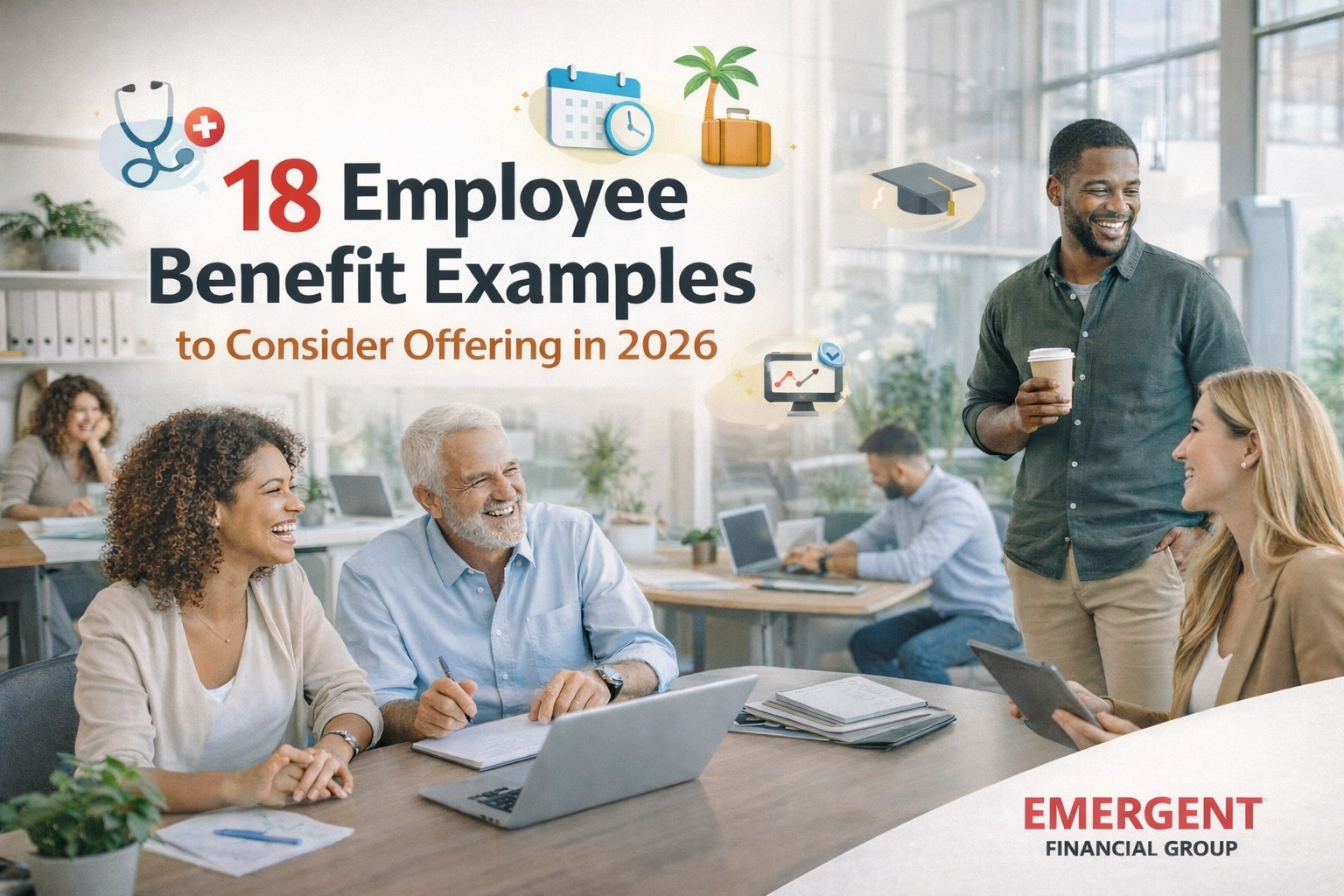
18 Employee Benefit Examples to Consider Offering in 2026

Employee benefits are an important consideration for any small business. Employee benefits help to attract and retain top talent, motivate your teams, and keep them physically and mentally healthy.
It’s a good idea to regularly evaluate your employee benefits program to determine what’s working, the costs, and whether changes are necessary. Evaluating your employee benefits package helps to keep your company relevant and competitive while boosting employee retention.
In this post, we’ll define employee benefits and examine why they are important, and we’ll also provide employee benefits examples (both typical and those that are less common).
What are employee benefits?
Employee benefits are a form of compensation and/or perks beyond salaries and wages; they are offered in addition to financial compensation.
Employers provide employee benefits for many reasons, but mostly to attract and retain top talent. There are certain employee benefits that employers are legally mandated to provide, but most employee perks are offered at the employer’s discretion.
In some cases, employers cover a portion—or all—of the cost of employee benefits. In other cases, the benefits are paid for entirely by the employees.
There are several types of employee benefits that encompass similar kinds of perks.
Insurance
While health insurance is probably the most well-known insurance offered by employers, it is far from the only one; there are a number of insurance benefits you may provide your teams. Insurance protects those covered both for ongoing needs and unforeseen circumstances.
Within health benefit plans, employers typically offer medical insurance but may also offer dental insurance and vision insurance.
Life insurance and disability insurance are also designed to protect employees and their families.
Retirement plans
Retirement benefits allow employees to save to cover their expenses once they are no longer working. There are multiple types of plans, including 401(k) and 403(b) plans, pension plans, and profit-sharing plans.
Paid time off (PTO)
Covering employees when they need time off is a common benefit type. Paid time off (PTO) can cover a range of circumstances, from vacation and illness to bereavement and jury duty.
Additional compensation
Companies often reward employees financially for excellent work. These payments can come in the form of signing or annual bonuses, commissions, or performance-based incentives.
There are some compensation benefits that are federally or state-mandated in the United States. Below are some examples.
- Minimum wage: The federal Fair Labor Standards Act (FLSA) mandates a $7.25-per-hour minimum wage. Many states, however, have their own, higher minimum wages. Only four states (California, Connecticut, Massachusetts, and Washington) have minimum wages of $15 or greater.
- Overtime: TheFLSA requires companies to pay overtime, and some states have their own guidelines.
- Unemployment pay: States are required to manage unemployment benefits. Employers are mandated to cover unemployment pay for a period of time for eligible employees who are laid off.
- COBRA: Companies with 20 or more employees must extend medical benefits to former employees and their dependents for 18 months. Employees must cover the full cost of the medical insurance, including any portion that the employer had paid.
- Workers’ compensation and disability: These protections ensure an employee can be paid when sick or injured. Usually, the compensation is a portion of their normal pay rate. Each state has its own guidelines and standards.
- Family and Medical Leave Act (FMLA): The FMLA requires some employers to provide time off to employees for maternity leave, paternity leave, or adoption coverage. However, the leave does not need to be paid.
Determining the right mix of employee benefits can be tricky. There are obvious budget implications, but there is also the desire to match offered benefits with what is most relevant and suitable for your employees.
How can your organization determine the ideal benefits mix? Start by benchmarking your current benefits and talking with your employees; you may want to try surveying your teams. Also, try working with an experienced strategic benefits partner to provide you access to knowledge and options.
Why are employee benefits important?
Talented employees look for employers that have strong total compensation packages. That examination goes well beyond the salaries, wages, and bonuses an employer may offer.
Today, many employees expect their employers to provide at least the most basic of benefits; health insurance, retirement plans, and time off are the most common benefits provided. Keep reading to learn about some of the advantages of offering employee benefits.
Increased loyalty and decreased turnover
When your employee benefits options are compelling, employees will notice. Generous benefits that support what employees need most will engender loyalty. When benefits are competitive, there is less incentive for workers to consider other employers, and employee turnover drops.
Boosted productivity and performance
Many benefits are designed to support employee well-being, from health insurance to weight management. With healthier, supported employees on the job, employers will see increases in productivity, reduced absenteeism, and better performance.

Those benefits have trickle-down effects, too. Better performance leads to higher-quality products and services. That means that customers are more satisfied and loyal to the brand.
Better recruitment results
Job seekers will consider the total compensation when considering job offers. When your benefits are competitive, matching or outpacing the market, your yield on recruitment will be higher than the competition.
Reduced stress and absenteeism
Job-related stress is on the rise, especially since the COVID-19 pandemic upended lives at work and home. With benefits designed to help employees manage their work-life balance, there’s less stress and missed work days. Benefits that allow employees enough sick days to recover also mean infection is less likely to spread within the workplace. Providing employees with vacation days allows for rest and relaxation, so they can be at their best.
Competitive advantage
What does it mean for the organization when its employees are happier, healthier, less stressed, and more motivated? There’s a considerable competitive advantage. These employers have a leg up in all aspects of the business, from recruiting to customer engagement.
18 examples of employee benefits
There are many types of employee benefits. For small businesses, especially when resources are scarce, choosing the right employee benefits is a highly strategic decision.
Here is a closer look at different examples of employee benefits:

1. Paid time off (PTO)
Paid time off (PTO) is a common benefit, and offering this is crucial; time away from work is a critical element of work-life balance for your employees.
PTO is often a bundled benefit, encompassing multiple types of leave. Most employers that offer paid time off provide employees with some discretion about how to use paid time off. PTO is most typically used for vacation time and sick leave; however, some employers also include parental leave, adoption leave, or personal days in the mix.
PTO may include public holidays, such as Thanksgiving or the Fourth of July. However, most employers do not typically count holidays against individual tallies for PTO (take a peek at the paid holidays most businesses give their teams).
2. Health insurance
Medical insurance is one of the most valued and sought-after employee benefits. A 2025 MetLife survey reported health insurance was the highest priority benefit for employees, with employees from every generation (Gen Z to Boomer) listing health insurance as a must-have benefit.
In the United States, much of the obligation for health insurance falls to employers. For many job candidates, health insurance is a non-negotiable option. It’s necessary for them and their families to have adequate coverage.
Medical insurance is just one type of health insurance that companies may offer. The next most common is dental insurance, though it is not always included. The same goes for vision insurance and hearing insurance
Medical insurance is another must-offer benefit for small businesses to remain competitive. The health benefits that medical insurance offers also ensure that your employees stay healthy.
3. Retirement plans

For decades, employers provided pensions that paid employees in retirement for the rest of their lives. While pensions are still common in some industries, many employers have turned instead to retirement investment accounts. Retirement plans can supplement Social Security earnings to ensure that former employees are able to make ends meet once they’re retired.
In such accounts, employers provide access to bundles of possible retirement savings tools via 401(k) and 403(b) plans. Employees can sign up for various funds, all of which are managed by outside investment services firms.
Employees often choose to have a percentage or a fixed amount of each paycheck fed into their investment account.
In addition, employers may elect to match the employer contributions or make outright contributions to the employer accounts. In some cases, these amounts vest over a period of time.
Employees may not become fully vested until working for the organization for multiple years. If they leave before becoming fully vested, the employer contributions are subtracted from their accounts.
4. Performance incentives
Additional compensation covers the gamut, from signing bonuses to stock options. In some cases, this additional compensation must be earned based on performance, like commissions or yearly performance bonuses.
For small businesses, offering performance-related compensation may not be practical. However, in some professions and industries, it may be the norm. Salespeople, for example, may expect a commission on closed sales regardless of the industry.
5. Remote work
The COVID-19 pandemic has forever changed the way employees work—and especially from where. During the pandemic and in the years since, many employers shifted to work from home. Zoom calls and Microsoft Teams collaboration tools helped employees stay connected to work and each other.
Many employees today are looking for flexible work arrangements. That may mean being fully remote, while others seek hybrid arrangements, in which time is split between the home and the office.

We focus on the nitty-gritty
so you can relax.
✓ Empowering, game-changing solutions
✓ Schedule a consultation
6. Scheduling flexibility
Aside from working remotely, many employees are also seeking a schedule that exists outside of the typical 9-to-5. Instead, some employers offer flexible schedules. For example, the 9/80 work schedule compresses work time over two weeks and enables flexibility across teams.
Offering remote work and other work flexibility is no longer an unusual employee benefit. As remote work becomes increasingly the norm, employers that don’t offer this benefit will be at a decided competitive disadvantage. Small businesses should carefully consider whether to offer this benefit.
7. Life Insurance and Disability Insurance
Help employees prepare financially for unforeseen circumstances. Employee-provided life insurance offers employees discounted rates, occasionally with employer contributions. If an employee dies, the insurance policy pays a dividend to beneficiaries.
Short-term disability and long-term disability insurance cover gaps in other insurance protections. If an employee is unable to work due to a disability, the insurance will cover a predetermined portion of their wages.
8. Mental health support
Emotional and behavioral health have become increasingly relevant and discussed issues that employers may choose to help their employees address. The COVID-19 pandemic has caused an uptick in the demand for mental health services, and employers have started paying attention.
Supporting employee mental health is a growing concern for many employers. Employee assistance programs and referral services are in high demand. Ensuring your human resources department is properly trained to support your employees’ mental health is also important.
9. Tuition reimbursement
Employers may offer to pay for some or all of an employee’s tuition to attend school. This opportunity happens at each academic level, from associate’s and bachelor’s degrees to doctorates.
Given the high cost of tuition today, this benefit is extremely valuable. In addition to directly covering tuition, some employers are offering student loan repayment or repayment of other education-related debt.
Tuition assistance often comes with an employee commitment to remain with the organization for a period after completing the degree. Failure to do so may result in employees needing to repay the funds. If your small business is considering these benefits, you should also be aware of the tax implications for employees.
For employees with children or grandchildren, employers may provide a 529 plan, which is a savings account for a child’s college tuition and expenses.
10. Professional development
Employees often are looking to develop their skills and their professional networks. Offering professional development opportunities is a powerful and relatively inexpensive way to offer value.
Professional development can take many forms. It may involve offering online certification in different software programs, from Word and Excel to more advanced, technical skills.
Coaching and mentoring programs pair seasoned employees with newer workers. While small businesses may not be able to provide tuition reimbursement, these programs offer an affordable way to develop staff.
Professional development also involves networking opportunities, such as attendance at industry or community-specific webinars and conferences. These opportunities provide employees with the chance to meet others in their industry and gain insights from peers and partners.

11. Caregiver support
Many working adults are balancing generational caregiving in multiple directions. They may be raising families while at the same time caring for parents or other older relatives.
The burdens on these employees are considerable, with little personal time and increased stress and fatigue. Offering time, either through parental leave or caregiver relief programs, is an increasingly popular benefit.
12. Employee discounts
Employers can often become partners with local and national businesses to provide their employees with discounts. Among the most common are memberships to warehouse clubs like BJ’s or Costco, and hotel stays and car rentals.
These programs are usually cost-efficient for small businesses and do not take a lot of labor to maintain. The perks are often very popular with employees, making it a good option to pursue.
13. Workplace wellness programs
Health and wellness programs can have mutual benefits for employers and employees. They are a great way to attract employees and boost retention rates.
Both groups benefit from having employees who are healthier and less stressed. There are multiple options to consider when building an employee wellness program.
Some employers choose to offer free or reduced gym memberships. Others provide access to national and local programs, either online or in person. These offerings include stress management, weight loss, nutrition education, and smoking cessation.
Other programs bring services directly to the office. One example is a vaccination clinic, where employees can get vaccines for the flu, COVID-19, and other illnesses at work.
Employee health screenings are another option. In such cases, nurses and other health professionals come to the workplace and assess common indicators, such as blood pressure, weight, and body mass index. They may also collect blood samples to test for high cholesterol, diabetes, and other common conditions.
14. Savings plans
Certain employee savings plans offer workers the opportunity to pay for certain expenses. Some of them, such as flexible spending accounts (FSAs) and health savings accounts (HSAs), offer pre-tax benefits. Contributions to these accounts are not taxed and are supported by paycheck deductions.
With such accounts, employees can pay for qualified health expenses with a special debit card or via reimbursement.
15. Benefit choice
Some employers choose to give employees more control over where they spend their benefit dollars. Employees are paid a stipend monthly that they can use on various benefit types, such as gym memberships, tuition reimbursement, or healthcare costs. Such a benefit empowers employees and allows them more options for how to spend their benefits stipend.
We provide valuable benefit plans
that bring more success in business
16. Equity and/or stock options
Equity is sometimes offered in corporations that either intend to eventually have an exit event or are already public. Certain business structures allow employers to offer employees specific categories of stock. Like with retirement fund contributions, stocks may not fully vest until an employee remains on the job for some years.
Other employer-mandated and regulatory restrictions may apply. For example, employees may not be able to sell shares until the company goes public or shares reach a certain publicly traded price.
17. Childcare support
The demands on working parents are considerable. While some larger employers offer on-premises childcare, this option may not be practical for many small businesses.
That said, there are other ways employers can support working parents: provider referral networks, flexible time off to care for children, and generous parental leave policies can mean a great deal.
18. Financial planning
Financial education and financial planning services are a benefit to employees of all ages. For younger employees, money management and budgeting services can help support new workers. Access to financial planners, often done through retirement plan providers, can help employees have long-term security.
For small businesses, attracting and keeping talented employees is a major factor for success. Offering a compelling package of employee benefits is one way to achieve both.
At Emergent Financial Group, we help small businesses in many different industries by assessing their benefits programs and determining the right solution. Learn more about how Emergent Financial Group can partner with you to provide the best employee benefits to your team.
FAQs

What are the four major types of employee benefits (or statutory benefits)?
The four major types of statutory employee benefits—benefits employers are legally required to provide—are insurance, retirement plans, paid time off, and additional compensation, which includes overtime pay and workers’ compensation. Whether or not you’re required to offer all four types of these benefits depends on where your business and employees are located. Different states and even cities have different employment laws. For an overview of your state’s key employment laws, check our state resource hub.
What benefits do employees value the most (or are the most sought-after)?
Health insurance ranks number one for the most sought-after employee benefits, followed closely by retirement plans, paid time off (especially paid leave), and vision and dental. Though the average employee certainly values niche benefits like pet insurance and wellness benefits, those aren’t top of the list. The vast majority of employees just want basic rights: an affordable health insurance plan, security for their future, and peace of mind that they can take time off to vacation, recover from an injury or illness, or care for their family without being penalized on the job.
What are examples of creative or low-cost perks for employees (or fringe benefits)?
There are plenty of creative, low-cost employee perks you can implement in the workplace. Upgrading your employees’ work environment is a fairly affordable (compared to other types of benefits) but high-impact way to make a difference in employees’ daily lives. You could upgrade their regular desk chairs to ergonomic ones, invest in a coffee machine that makes fancy macchiatos and lattes, provide free snacks and lunch staples, or treat employees to lunch or breakfast every Friday or Monday. Other creative ideas include flexible work arrangements or working hours, financial planning support, days off to volunteer, commuter benefits, employee discounts to local restaurants or online subscriptions, and childcare resources and support.
How much do employee benefits cost a company per employee?
The cost of employee benefits varies significantly depending on the particular plans you choose, but the average employer (as of 2025) spends around $20,000 in employer contributions for employer-sponsored family health insurance premiums—and that’s just health insurance.
Keep in mind, though: benefits pay dividends long-term, increasing employee engagement and employee satisfaction, which means employee retention stays high. Get more information on the cost-benefit breakdown of employee benefits here.
Need help getting started? Explore how Emergent Financial Group partners with Retirement Plan providers to bring you flexible, tax-smart options that fit your future.
Please don’t hesitate to contact us here.